Preventive Care

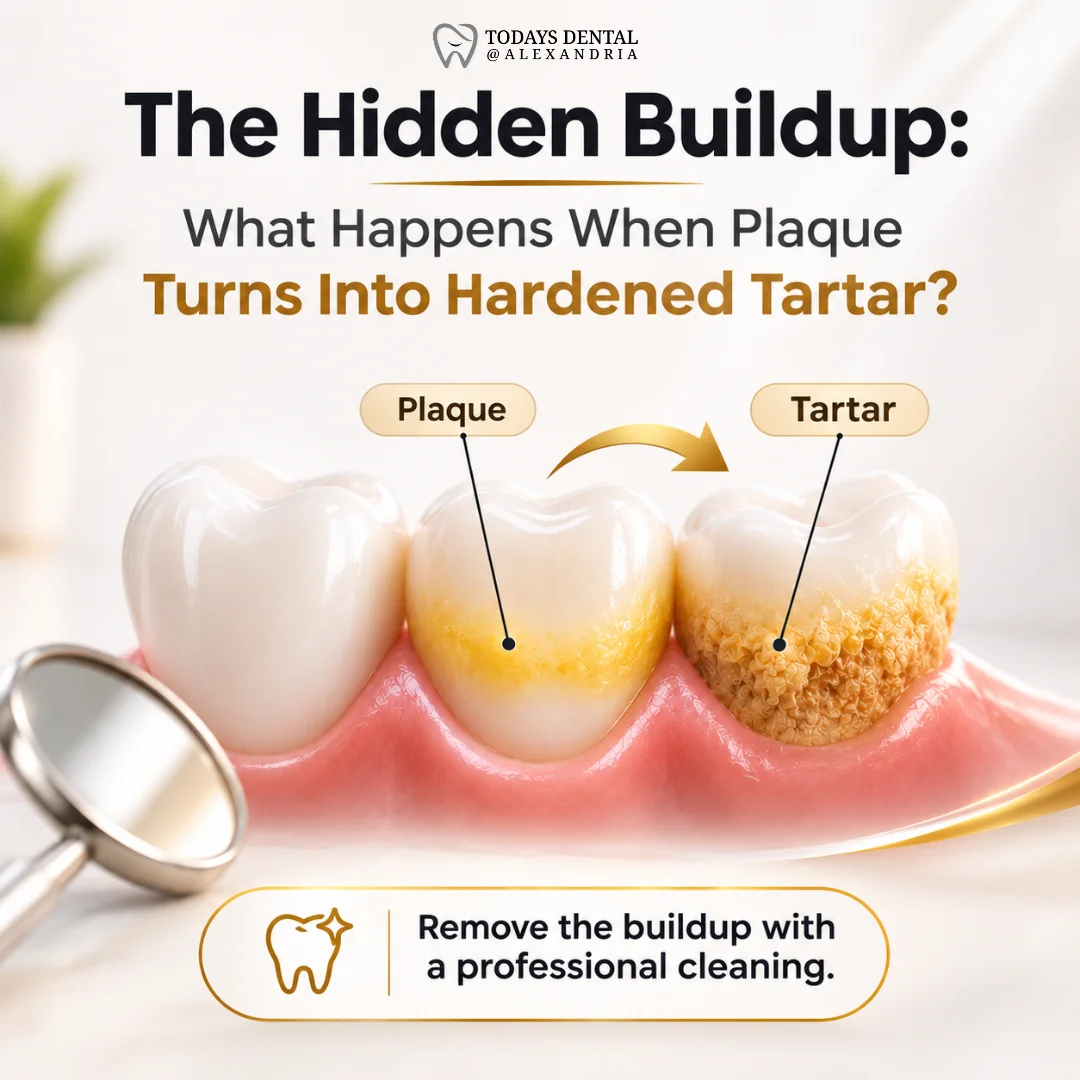
The Hidden Buildup: What Happens When Plaque Turns Into Hardened Tartar?

Nov 20268 min read
The Hidden Buildup: What Happens When Plaque Turns Into Hardened Tartar?

Many people brush and floss and still wonder why their breath smells or why gums bleed. They worry that something unseen builds up on their teeth.

Plaque can harden into tartar within 24 to 72 hours when left on teeth. That hard crust traps bacteria and makes brushing useless. This piece will explain how that mineralization happens, what it does to gums and enamel, and what readers can do to stop it.

How Plaque Turns Into Tartar

Plaque forms on teeth from food particles and bacteria. When people neglect their dental care, mineral deposits in saliva turn this soft plaque into hard tartar.

The mineralization process of plaque

Soft film of bacteria forms on teeth after eating and drinking. Saliva feeds that film and supplies minerals. Within 24 to 72 hours the film starts to harden. Calcium phosphate crystals grow inside the biofilm and turn it to calculus, the substance known as tartar. Hardened deposits form along the gumline and on tooth enamel.

A dentist once removed thick yellow calculus from a patient who waited months between cleanings. The dentist warned that tartar cannot come off with regular brushing or flossing. Tartar promotes bacterial growth on rough surfaces and causes gum inflammation, gingivitis, bad breath, and tooth decay.

Left unchecked, pockets form, infections deepen, and tooth loss can follow, so only professional tartar removal works.

Timeline for plaque hardening into tartar

Plaque forms quickly. It clings to tooth enamel.

  1. Within 24 hours, dental plaque begins to thicken, and bacteria build up on the tooth surface.
  2. After 48 hours, minerals from saliva start to harden the film, marking the start of mineralization.
  3. Between 24 and 72 hours, plaque changes more noticeably, as calcium phosphate crystals form inside the biofilm.
  4. Around the three-day mark, the crystals fuse and create calculus, the hardened substance dentists call tartar.
  5. Hardened tartar often sits along the gumline, where rough surfaces trap more bacteria and stain teeth.
  6. That rough tartar surface feeds bacteria growth, which leads to bad breath and boosts the risk of tooth decay.
  7. Tartar irritates gums and triggers gingivitis, which shows as redness and bleeding during brushing.
  8. If gingivitis stays untreated, the condition can progress into periodontitis and deep infection pockets.
  9. Advanced pockets destroy bone and soft tissue, and they can cause tooth loss over time.
  10. Once plaque turns to tartar, daily brushing and flossing cannot remove it; the deposit resists at-home care.
  11. A dentist or hygienist must perform tartar removal during a professional cleaning, using specialized tools.
  12. Regular brushing, flossing, and routine cleanings prevent the mineralization of plaque into stubborn calculus.

Consequences of Tartar Buildup

Tartar buildup leads to increased bacterial growth on tooth surfaces. This growth can cause gum inflammation and may turn into serious issues like gum disease or even tooth loss if left untreated.

Increased bacterial growth on rough surfaces

Rough surfaces from hardened plaque trap bacteria and feed fast growth. Biofilm clings to calculus and invites more bacteria, which fuels bad breath, tooth decay, and gum disease.

Plaque can start to mineralize in 24 to 72 hours, as calcium phosphate crystals harden into deposits on enamel. Once mineralization finishes, the buildup cannot come off with brushing or flossing, and a dentist must remove the calculus to stop gingivitis from turning into more severe gum disease.

Gum inflammation and gingivitis

Plaque buildup along the gumline irritates tissues and causes inflammation known as gingivitis. This condition often shows signs like redness, swelling, and bleeding when brushing or flossing.

If left untreated, gingivitis can escalate into more severe gum disease, such as periodontitis. The bacteria in plaque contribute to this problem by creating toxins that further irritate gums.

Ignoring gum inflammation allows harmful bacteria to thrive in pockets around teeth. These pockets can deepen over time, leading to tooth loss and chronic oral health issues. Gum disease may also lead to bad breath due to increased bacterial growth on rough surfaces caused by tartar accumulation.

Regular dental cleanings play a crucial role in preventing these complications and maintaining healthy gums.

Development of deep infection pockets and tooth loss

Deep infection pockets form when tartar buildup irritates the gums. This irritation leads to gingivitis, an early stage of gum disease. If left untreated, gingivitis can evolve into periodontitis, a more severe condition.

At this point, bacteria infiltrate deeper tissues and create significant damage. The pockets between teeth and gums grow larger as infections worsen.

Tooth loss often follows these infections. Bacteria destroy the supporting structures of the teeth over time. Once those structures weaken too much, teeth may become loose or fall out completely.

Maintaining oral hygiene is crucial in preventing tooth decay and gum disease to avoid this chain reaction. Regular dental visits help keep tartar at bay and check for any signs of serious problems like deep infection pockets or potential tooth loss.

Staining and chronic bad breath

Tartar buildup contributes to staining on teeth and leads to chronic bad breath. As plaque hardens, it forms rough surfaces that trap bacteria. This bacterial growth generates unpleasant odors, creating a persistent issue for many individuals. Staining, often darker in color, signals deeper concerns about oral hygiene.

Bad breath can signal the presence of gum disease and other dental problems. If left unchecked, these issues may progress to tooth decay or more severe gum infections. Regular brushing and flossing help prevent plaque from turning into tartar; however, once tartar forms, only professional removal can resolve these annoying symptoms effectively.

How to Prevent Tartar Formation

Brushing and flossing daily keeps plaque at bay. Regular visits to the dentist help tackle tartar buildup. Following these steps can keep smiles bright and healthy.

Daily brushing and flossing habits

Daily brushing and flossing keep teeth healthy. These habits fight against plaque buildup and tartar formation.

  1. Brush twice a day for two minutes each time. This routine helps remove soft plaque before it hardens into tartar within 24 to 72 hours.
  2. Use fluoride toothpaste to strengthen tooth enamel. Fluoride works against decay and nourishes the teeth.
  3. Floss daily to clean between the teeth where toothbrushes can’t reach. This prevents bacteria from growing in hidden spots and forming harmful plaque.
  4. Choose a toothbrush with soft bristles for gentle cleaning. Hard bristles can damage gums and wear down tooth enamel, leading to bigger issues later.
  5. Change your toothbrush every three to four months or sooner if worn out. Worn bristles are less effective at getting rid of plaque.
  6. Don’t forget the tongue! Bacteria love to hide there, too, causing bad breath and adding to plaque buildup on teeth.
  7. Maintain a consistent schedule for oral care. Sticking to this routine prevents plaque from turning into firmer tartar which requires professional removal.
  8. Rinse with mouthwash after brushing and flossing for added protection against germs and plaque formation around gumlines.
  9. Pay attention to diet as well; reduce sugary snacks that fuel bacteria growth in the mouth which leads to more plaque buildup over time.
  10. Lastly, visit the dentist regularly for checkups and professional cleanings; these are vital steps in removing any hardened tartar safely that daily care might miss.

Professional dental cleanings

Professional dental cleanings play a crucial role in maintaining oral health. They help remove tartar that regular brushing and flossing cannot tackle.

  1. Dentists use special tools to scrape away tartar buildup. This process can remove hardened deposits from the tooth surface, reducing the risk of gum disease and decay.
  2. Cleanings typically happen every six months for most people. This schedule helps catch plaque before it turns into hard tartar.
  3. The cleaning process also includes polishing teeth to make them smooth and shiny. A smooth surface reduces the chances of plaque sticking later on.
  4. During these visits, the dental professional checks for early signs of gum disease. They look for inflammation or pockets around the gums caused by plaque buildup.
  5. Sometimes, X-rays are taken to see any hidden issues beneath the surface. These images help identify problems that might not be visible during a regular exam.
  6. Dentists often provide personalized tips for better oral hygiene at home. These recommendations can enhance daily care routines and help prevent future tartar accumulation.
  7. Professional cleanings serve as a form of preventive care against serious problems like periodontitis, which can lead to tooth loss if untreated.
  8. Patients leave cleanings with fresher breath and healthier gums, boosting their confidence as well as their oral health.
  9. Tartar removal through professional cleanings is essential for everyone, especially those prone to plaque buildup due to dietary habits or other factors.
  10. Regular visits help maintain strong tooth enamel by removing harmful bacteria that contribute to decay over time.

Frequently Asked Questions

What is plaque, and how does it turn into tartar?

Plaque is a sticky film of bacteria that forms on teeth. If not removed through brushing, it hardens over time and becomes tartar.

Why is hardened tartar a problem for my teeth?

Hardened tartar can cause gum disease and cavities. It creates a rough surface where more plaque can build up, leading to further dental issues.

How can I prevent plaque buildup from turning into tartar?

Regular brushing and flossing help remove plaque before it hardens. Visiting your dentist for cleanings also keeps your teeth healthy.

What should I do if I already have tartar on my teeth?

If you have tartar, schedule an appointment with your dentist or dental hygienist. They will use special tools to safely remove the hardened buildup from your teeth.

← Back to all articles
NEW PATIENTS WELCOME

Your best smile starts here.

Schedule online in under a minute, or call and our team will take care of the rest.

Schedule Online Call (703) 256-2085or Text (571) 518-5785
GET IN TOUCH

Request a call back.

Tell us a little about what you need — we'll be in touch shortly.

Drop a map screenshot
4601 Pinecrest Office Park Dr Ste D, Alexandria, VA 22312
VISIT US

4601 Pinecrest Office Park Dr Ste D, Alexandria, VA 22312, USA

Same-day & emergency appointments available.

Hi! I'm Tooth fairy! Your AI Assistant Ask me anything