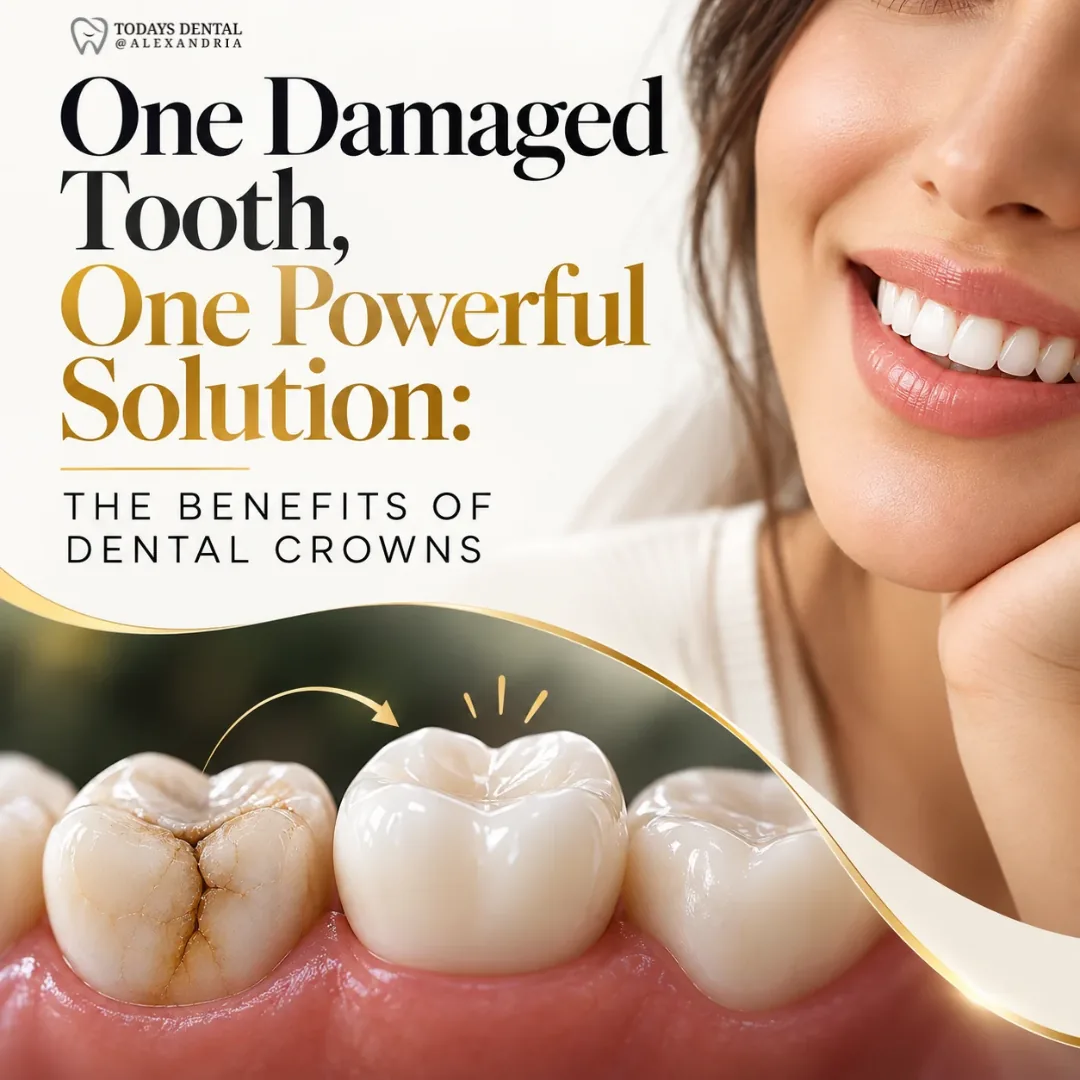
A single damaged tooth can hurt. It can make chewing hard. It can also make someone hide their smile. Many people search for a quick fix that lasts.
Crowns can prolong the life of a natural tooth by treating worn, broken, or damaged teeth. A crown acts like armor, wrapping the tooth to stop cracks and keep the nerve safe.
After the introduction, dental crowns step in as a clear dental restoration. A crown, or tooth crown, fits over the remaining tooth to encase and protect it.
Dentists use crowns to reinforce worn, broken, or damaged teeth and to prolong the life of a natural tooth. Crowns act like armor, protecting the nerve inside, absorbing chewing pressure, holding the tooth together, and preventing cracks or decay from spreading.
Patients gain stronger chewing, better oral health, and cosmetic dentistry benefits for front tooth repair and overall aesthetic improvement.
Dental crowns offer fantastic advantages for those with damaged teeth. They restore strength, protect fragile bites, and give smiles a fresh look.
Crowns reinforce weak teeth that have lost structure from decay, injury, or wear. A local dentist recalls treating a cracked molar last year and placing a tooth crown that held the tooth together.
The crown encased the remaining tooth structure like armor, and it protected the nerve inside. This dental restoration often prolongs the life of a natural tooth and prevents cracks or chips from spreading.
Crowns absorb chewing and grinding pressure and add stability to cracked or broken teeth. One patient returned to full chewing within weeks and avoided extraction. Dentists use crowns in tooth preservation and cosmetic dentistry to repair front teeth and restore function. This dental solution gives patients stronger bites and better oral health.
After restoring strength and function, treatment moves to protecting damaged teeth. Dental crowns can prolong the life of a natural tooth by treating worn, broken, or damaged teeth.
They encase the remaining tooth structure like armor. This holds the tooth together and prevents cracks, chips, or decay from spreading.
One damaged tooth can get a new lease on life with a tooth crown. Dentists use this prosthetic dentistry method for dental restoration, tooth preservation, and oral health care. A tooth crown absorbs pressure from chewing and grinding, which helps prevent further breakage or fractures. They protect the nerve inside and prevent additional fractures.
Dental crowns can significantly improve the look of a damaged tooth. They encompass the remaining tooth structure and create a natural appearance. Patients often find that their smiles become brighter with crowns, giving them renewed confidence. Crowns restore functionality while also providing an aesthetic boost to one’s smile.
People appreciate their new dental crowns, as these restorations integrate smoothly with existing teeth. Many individuals report feeling more comfortable smiling after crown placement.
This improvement plays a significant role in both cosmetic dentistry and overall oral health, promoting greater enjoyment during everyday interactions.
Dental crowns come in several varieties, each with its own perks. Porcelain crowns blend seamlessly with natural teeth, making them a great choice for visible areas. Metal crowns stand out for their strength and durability, perfect for back teeth.
Porcelain crowns provide a perfect blend of strength and beauty for damaged teeth. They serve as an excellent choice for those who want to maintain their smile's natural look. Crowns encase the remaining tooth structure, acting like armor against cracks, chips, or decay.
These restorations help reinforce weakened teeth, giving them stability and preventing further damage.
Patients often appreciate how porcelain blends seamlessly with natural teeth. As a result, these crowns enhance appearance while protecting oral health. Porcelain crowns are especially useful for front tooth repairs since they absorb pressure from chewing and grinding effectively. This quality helps prevent additional breakage or fractures in already compromised teeth.
Shifting from porcelain crowns, metal crowns offer a different approach to dental restoration. They provide strength and durability, making them ideal for molars that face heavy chewing pressures.
Metal crowns can handle daily wear and tear without cracking or breaking easily.
These crowns act like armor for damaged teeth. They encase the remaining structure and absorb pressure from chewing. This helps prevent further fractures while protecting the nerve inside the tooth.
Many patients find that metal crowns restore both functionality and confidence in their smiles, ensuring a viable solution for long-lasting oral health.
Zirconia crowns offer a strong solution for restoring damaged teeth. They provide exceptional strength and durability, making them perfect for encasing weak or broken teeth. These crowns act like armor, preventing chips or cracks from worsening.
They also absorb pressure during chewing, which helps protect the underlying tooth structure.
Zirconia crowns blend well with natural teeth due to their aesthetic appeal. Their color mimics that of real enamel, ensuring they look great in any smile. Many patients appreciate this as it enhances their overall appearance while securing dental health.
Dental professionals recommend zirconia crowns for both front and back teeth repairs because of these benefits.
The dental crown procedure is straightforward and efficient. Patients can expect a few key steps during their visit.
Dental crowns serve as an effective solution that restores function and aesthetics while preserving natural teeth.
Caring for dental crowns keeps them in great shape. Regular attention goes a long way in preserving both function and appearance.
These steps help keep dental solutions effective and preserve tooth repair for years to come while contributing positively to cosmetic dentistry outcomes as well!
Dental crowns come with some limitations and risks. They may not last forever, especially if someone neglects oral care. Crowns can wear down or chip over time, becoming less effective.
In some cases, a crown might feel uncomfortable or out of place after placement. This discomfort can lead to issues like teeth grinding or jaw pain.
People also face potential risks during the procedure. Sometimes, dental crowns do not fit right, which can cause gum irritation or infection. If bacteria get trapped under the crown, it could lead to decay of the underlying tooth structure.
A damaged tooth needs careful attention; otherwise, it may worsen despite having a crown. It’s important for individuals to discuss these aspects with their dentist before proceeding with this tooth restoration solution.
A dental crown is a cap placed over a damaged tooth. It restores the tooth's shape, size, and strength. Crowns help protect teeth that are weak or have significant decay.
Dental crowns offer several benefits. They improve your smile by covering unsightly damage. Crowns also enhance chewing ability and provide support for weakened teeth.
Most people feel little to no pain during the procedure. Dentists use local anesthesia to numb the area around the tooth being treated. You may experience some discomfort afterward, but it usually goes away quickly.
With proper care, dental crowns can last many years, often over ten years! Regular brushing, flossing, and dentist visits will keep your crown in great shape for longer periods of time.
Tell us a little about what you need — we'll be in touch shortly.
4601 Pinecrest Office Park Dr Ste D, Alexandria, VA 22312, USA
Hi! I'm Tooth fairy! Your AI Assistant Ask me anything