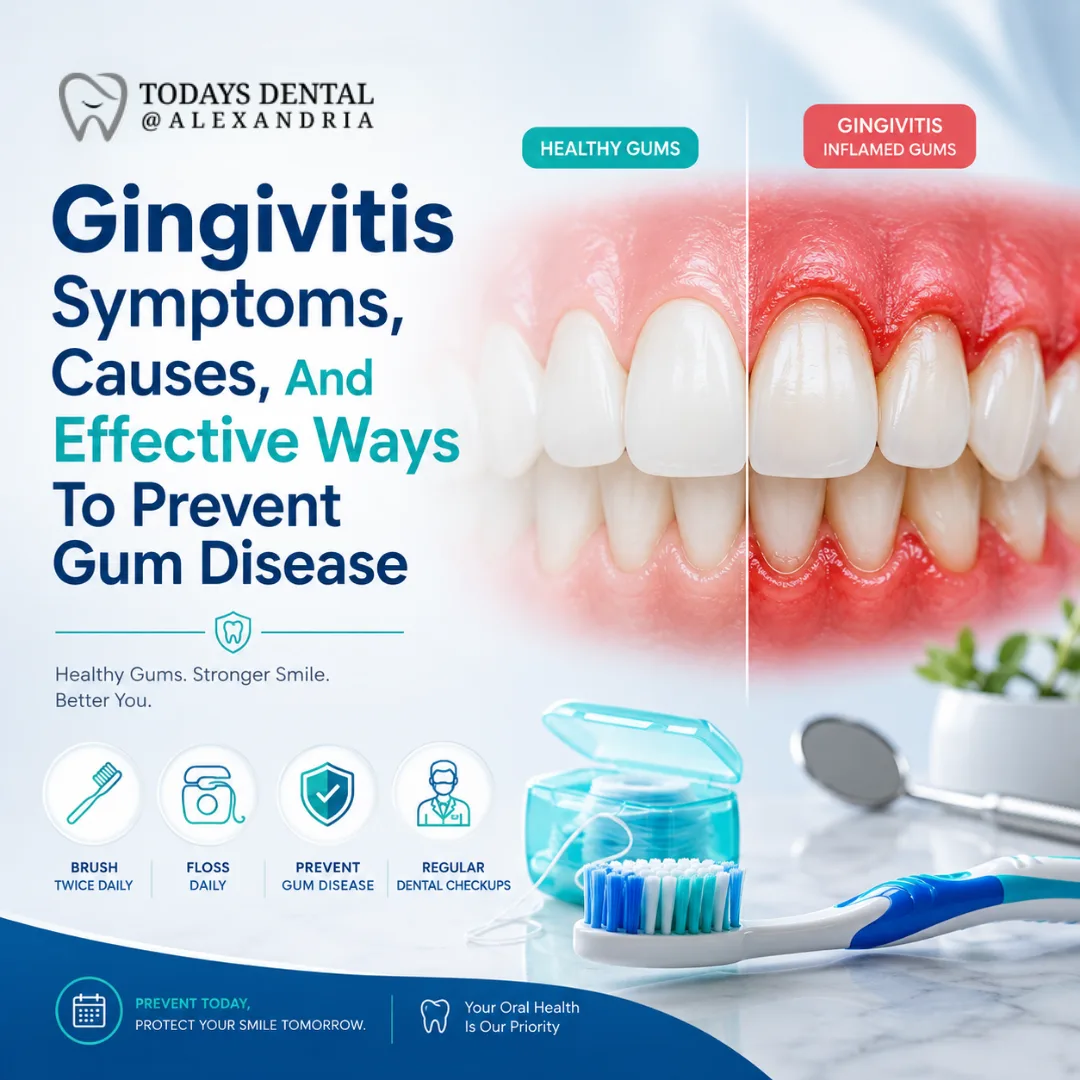
Many people see red or swollen gums and worry. They want to stop pain and bleeding. Gingivitis can cause those signs. It can affect anyone with poor oral hygiene. One fact is that plaque causes most gum inflammation. Learn about common Gingivitis symptoms, main causes, and simple ways to prevent gum disease.
Gingivitis often causes gums to look red and feel sore. Many people notice their gums start bleeding during brushing or flossing, which can signal gum inflammation.
Red, swollen, or tender gums signal gum inflammation from plaque buildup. Dentists warn that unchecked inflammation can lead to gum disease or periodontitis. They advise a dental exam and routine cleanings to remove tartar and plaque.Early care reduces bleeding gums and stops damage to the teeth.
After experiencing red, swollen, or tender gums, individuals often notice that their gums bleed easily while brushing or flossing. This symptom indicates inflammation in the gums. Bleeding occurs due to irritation from plaque buildup on teeth. Regular brushing helps remove plaque and prevents gum disease.
Flossing also plays a crucial role in oral hygiene. It removes food particles and plaque between teeth where a toothbrush cannot reach. Ignoring this symptom can lead to deeper issues like periodontitis if not addressed promptly. Maintaining consistent oral care is essential for preventing further complications and promoting dental health.
Gingivitis can stem from neglecting oral hygiene. People often let plaque build up on their teeth, leading to gum irritation and inflammation.
Poor oral hygiene leads to plaque buildup on teeth. This sticky film contains bacteria that cause gum disease. Without regular brushing and flossing, plaque transforms into tartar. Tartar forms a hard layer that only dental professionals can remove.
People often underestimate the importance of effective oral care. Skipping brushing or flossing can allow infections to develop. Neglecting one's dental health makes gums red, swollen, and prone to bleeding. By maintaining proper oral hygiene, individuals can prevent gingivitis and promote healthier gums.
Smoking and hormonal changes can trigger gingivitis. Smokers often have gum disease because tobacco harms blood flow to the gums. This reduces their ability to heal. Hormonal fluctuations, such as during puberty or pregnancy, also affect gum health. Increased blood flow makes gums more sensitive and prone to inflammation.
Both factors make it easier for plaque to build up and cause problems. People who smoke need extra care regarding oral hygiene. Regular dental visits play a key role in the prevention and treatment of gum disease. Understanding these causes helps individuals take action against symptoms like bleeding gums and gum inflammation.
To prevent gingivitis, people must prioritize their oral hygiene routine. Regular brushing and flossing keep plaque at bay and promote healthy gums.
Daily brushing and flossing play a vital role in maintaining oral hygiene. These practices help prevent gum disease, including gingivitis.
These straightforward steps contribute significantly to preventing gingivitis and promoting dental health through proper oral hygiene practices.
Brushing and flossing daily is essential for gum health. Regular dental visits add an extra layer of protection against gingivitis. Dentists provide professional cleanings that remove plaque and tartar buildup. These cleanings help prevent gum disease from taking hold.
Most people should schedule a dental exam every six months. During these visits, the dentist checks for symptoms of gum inflammation or bleeding gums. Experience indicates that those who follow this routine often maintain better oral hygiene overall.
This simple habit greatly reduces the risk of developing serious conditions like periodontitis later on. Regular check-ups keep teeth strong and healthy while promoting good dental health habits at home.
Common symptoms of gingivitis include swollen gums, bleeding when brushing or flossing, and bad breath. You may also notice a change in gum color.
Gingivitis is mainly caused by plaque buildup on teeth. Poor oral hygiene, smoking, and certain medical conditions can increase the risk of developing this gum disease.
To prevent gingivitis, practice good oral hygiene. Brush your teeth at least twice a day and floss daily. Regular dental check-ups are also important for maintaining healthy gums.
Yes, diet plays a role in gum health. Eating a balanced diet rich in vitamins and minerals helps strengthen gums and reduce inflammation caused by gingivitis.
Tell us a little about what you need — we'll be in touch shortly.
4601 Pinecrest Office Park Dr Ste D, Alexandria, VA 22312, USA

Hi! I'm Tooth fairy! Your AI Assistant Ask me anything